Transport Fever 3 Trams, Tram-Trains and Cargo Trams
Which tracks each tram needs, how to lay your first tram line, how Light Rail trams move between road and railway, and what the official sources say about cargo trams, with every tram from our vehicle list.
Last updated Game version: Release version, manual pages revised 2026-09-28 and 2026-09-29
The short answer
The tracks decide which tram runs. Horse and steam trams run on streets with tram tracks. Electric trams need streets with electrified tram tracks. Electrified tracks are tram tracks with overhead wires (catenary).
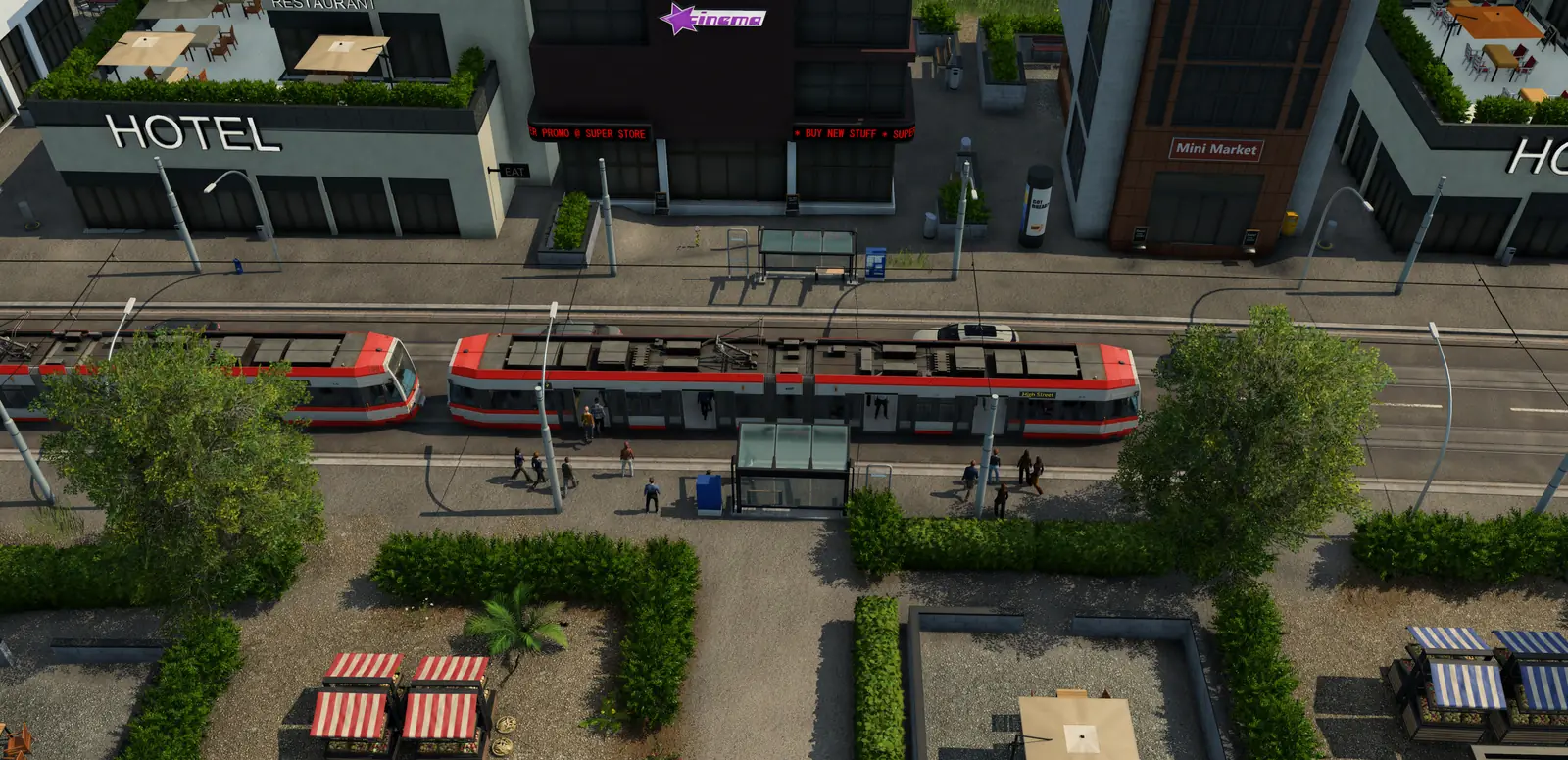
Bus stops become tram stops. A bus stop turns into a tram stop by itself as soon as its street or station gets tram tracks.
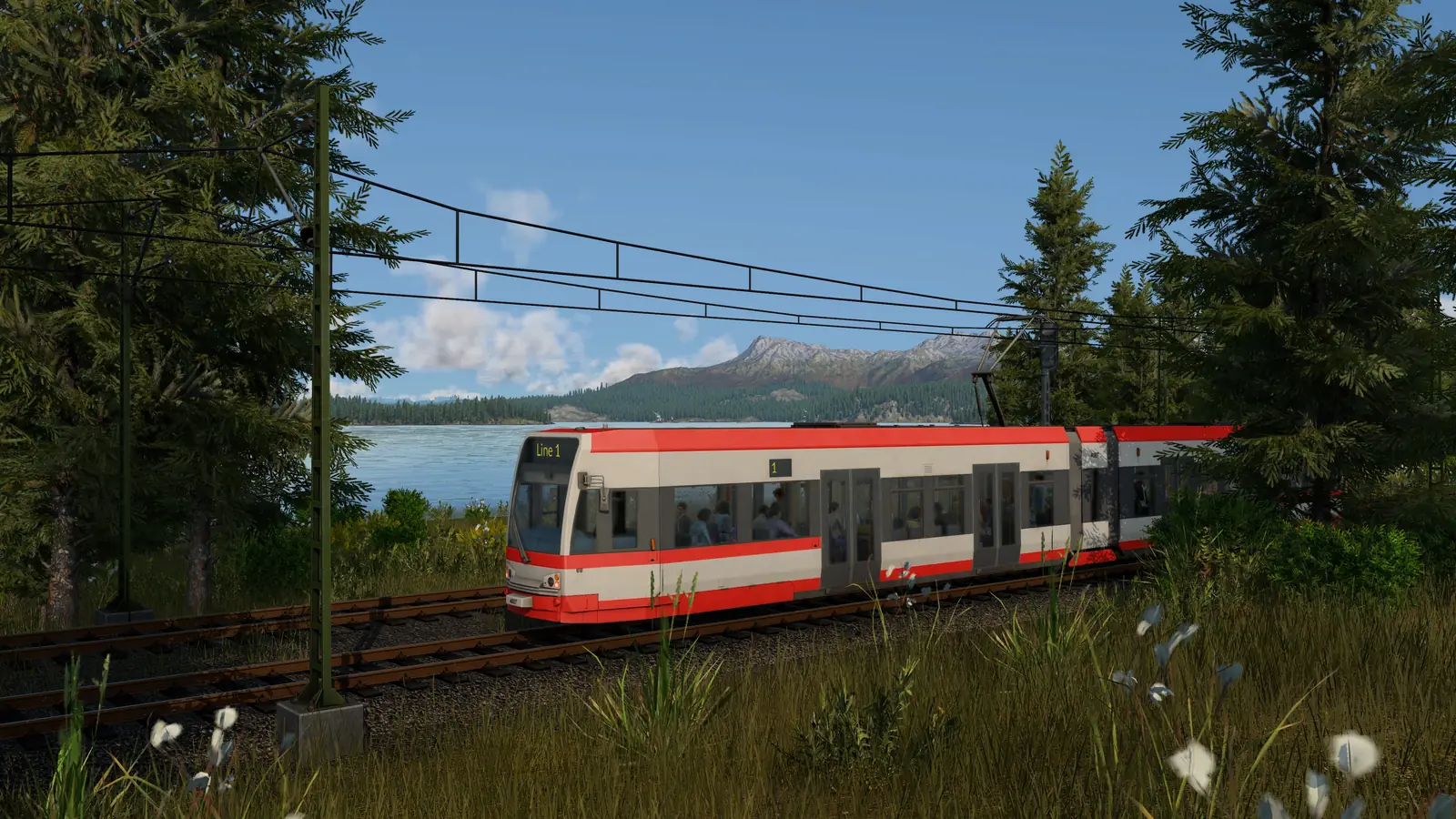
Light Rail trams use railway tracks too. Trams marked Light Rail can switch between rail track and tram lanes on the road. Road lanes only run one way and book nothing, so the road part needs no signals at all.
Cargo trams are in the store. The official website and the game's Steam page list them, while the manual's tram section says trams carry passengers only. What each source says
From the official manual
Which tracks each tram needs
Tram
Runs on
Good to know
Horse and steam trams
Streets with tram tracks
They need no overhead wires.
Electric trams
Streets with electrified tram tracks
Electrified tracks are tram tracks with overhead wires (catenary). They arrive in the 1910s.
The earliest electric tram in our vehicle list is the AEG Motor Car, on sale from 1910.
Build your first tram line
Check the year. The manual lists the tram depot from 1900, the earliest start year. Electric trams arrive in the 1910s. See when vehicles unlock.
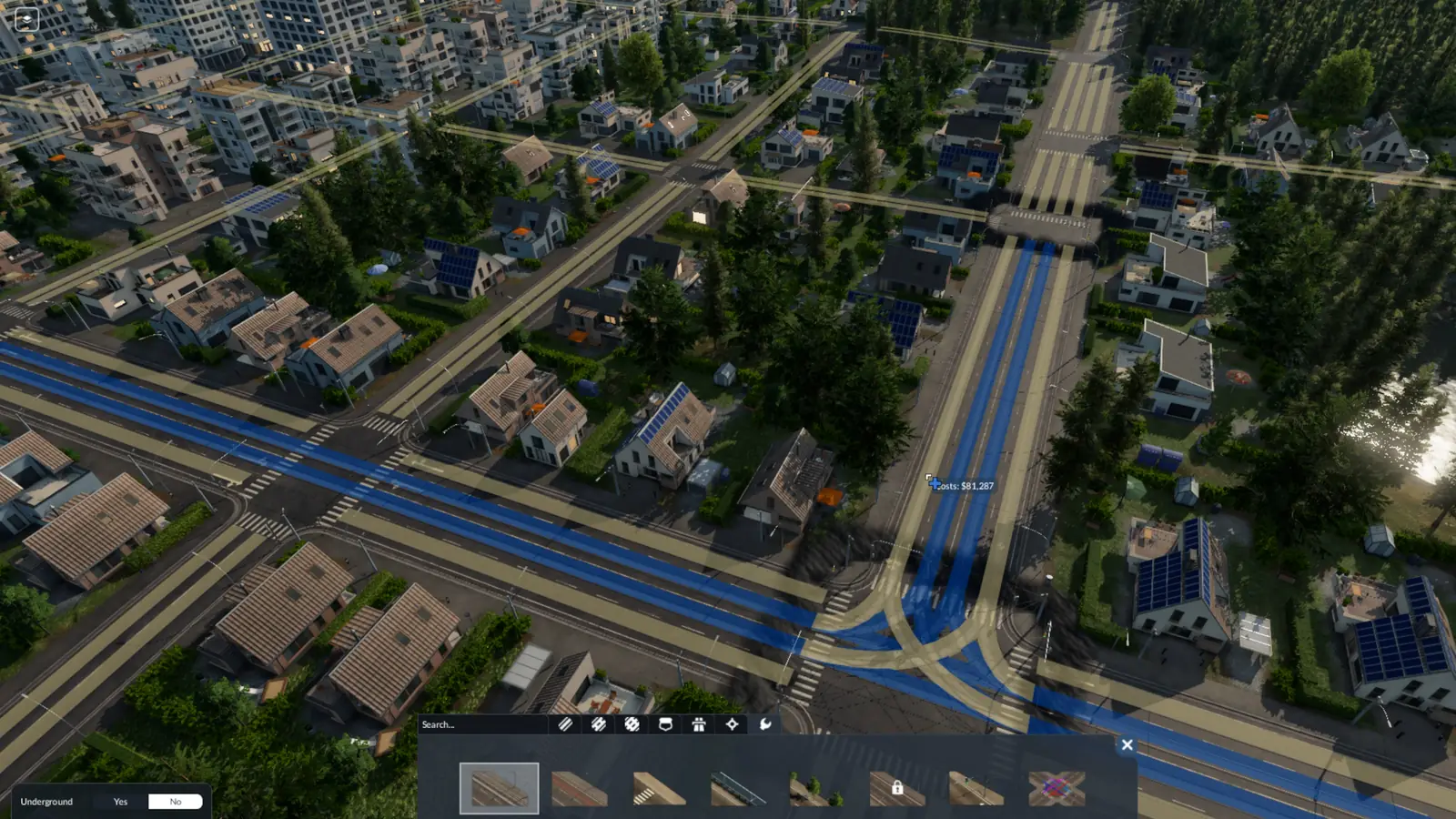
Lay the tracks. On the Tools tab of the street menu you can add tram tracks to streets you have already built, with or without overhead wires, and take them off again. Hold Shift to change only some sections. Pick the version with overhead wires if you plan to run electric trams.
Use the stops you have. A bus stop turns into a tram stop by itself as soon as its street or station gets tram tracks. Road stations start with up to four platforms that buses, trams and trucks share, and passenger and cargo modules can sit on the same station.
Build the depot on the tracks. Connect the tram depot to the tram tracks, or the trams you buy there cannot reach the first stop of their line.
Buy trams and start the line. Buy vehicles in a depot, then put them on a line in the line manager; a new vehicle has no route of its own. The line manager's Buy Vehicles button opens the store of the nearest suitable depot and puts the new vehicles on the line straight away.
Mind the platform length. A platform shorter than the train or tram slows loading and unloading. The vehicle and station windows and the terminal selection dialog then show a warning.
Upgrading the street later? When you replace a street with another street type, the default Keep setting leaves its tram tracks and bus lanes where they are.
Trams marked Light Rail can switch between rail track and tram lanes on the road. Road lanes only run one way and book nothing, so the road part needs no signals at all. A booked path runs until the first of these on the train's route: the next signal, a tram lane, or a stop where the train turns back. The train signals guide shows where signals do matter, on the railway part.
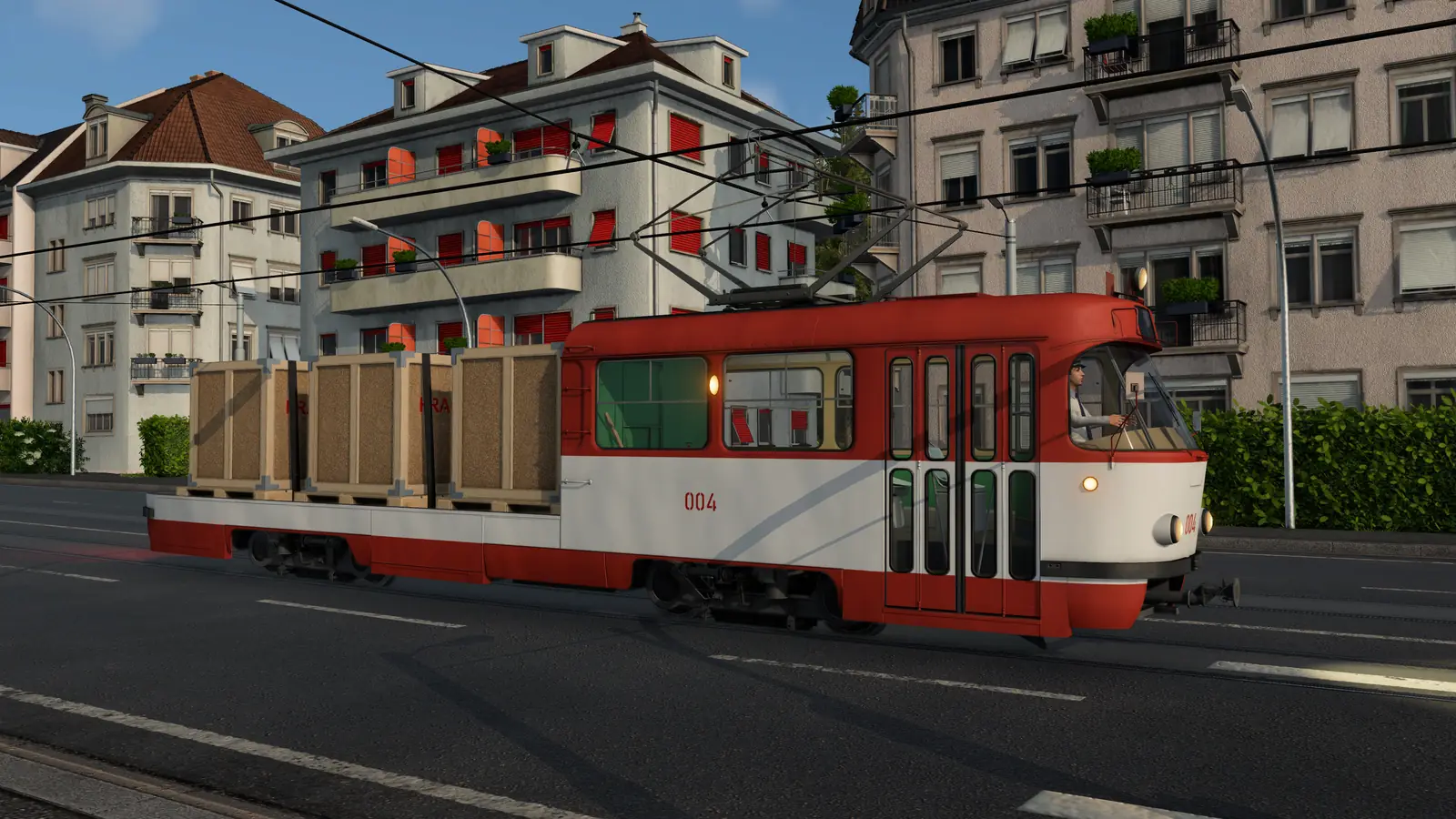
The manual's tram section says trams carry passengers only. The official website lists helicopters and cargo trams among the new vehicle types, and the game's Steam page says every major kind of transport is covered, light rail and dedicated cargo trams included. So official sources differ here. The store in the game does sell cargo trams: our vehicle list has one so far, the Horse Tram (cargo tram).
The manual's truck section adds that cargo may be unloaded at bus and tram stops as well, not just at cargo terminals. Small stops at the side of a street take passengers and cargo, but cargo loads more slowly there than at the bigger stations. If cargo stays on board, see why cargo won't unload.
Prices, power and more for each tram are in the vehicle list. Power lets a tram run fast and pull weight; tractive effort gets it moving and helps it pick up speed from a standstill.
What the manual does not say
How steep a slope a tram can climb or how tight a curve it can take.
Whether trams or buses earn more on the same route.
Which cargo each cargo tram can carry, beyond the ones in our vehicle list.
Frequently asked questions
Do trams need overhead wires?
Only electric trams. Horse and steam trams run on streets with tram tracks. They need no overhead wires. Electric trams need streets with electrified tram tracks. Electrified tracks are tram tracks with overhead wires (catenary).
When do electric trams arrive?
In the 1910s, according to the manual. The earliest electric tram in our vehicle list is the AEG Motor Car, on sale from 1910.
How do I add tram tracks to a road?
On the Tools tab of the street menu you can add tram tracks to streets you have already built, with or without overhead wires, and take them off again. Hold Shift to change only some sections. When you replace a street with another street type, the default Keep setting leaves its tram tracks and bus lanes where they are.
Do bus stops work for trams?
Yes. A bus stop turns into a tram stop by itself as soon as its street or station gets tram tracks. Road stations start with up to four platforms that buses, trams and trucks share, and passenger and cargo modules can sit on the same station.
What is a tram-train?
Trams marked Light Rail can switch between rail track and tram lanes on the road. Road lanes only run one way and book nothing, so the road part needs no signals at all.
Are there cargo trams in Transport Fever 3?
Yes. The official website lists cargo trams among the new vehicle types, and the game's Steam page says every major kind of transport is covered, light rail and dedicated cargo trams included. The manual's tram section says trams carry passengers only. So official sources differ here, but the store in the game does sell them: our vehicle list has one so far, the Horse Tram (cargo tram).
Why can my new tram not reach its line?
Connect the tram depot to the tram tracks, or the trams you buy there cannot reach the first stop of their line.
Power or tractive effort: which matters for a tram?
Power lets a tram run fast and pull weight; tractive effort gets it moving and helps it pick up speed from a standstill.
Sources
The game facts on this page come from these official pages:
Vehicles (Simulation) (tram types, the tracks they need, when electric trams arrive, stops and cargo; revised September 28, 2026)
Streets and Tracks (adding tram tracks and overhead wires to streets; revised September 29, 2026)
Stations and Depots (the tram depot and road stations; revised September 29, 2026)
Railway Signals (Light Rail trams that switch between rail and road; revised September 29, 2026)
Free Game (the earliest start year; revised September 29, 2026)
Lines and Vehicles (buying trams for a line, and platforms that are too short; revised September 29, 2026)
The trams themselves come from our vehicle list, which shows a number only when two different players' videos agree on it. Checked on October 7, 2026. Seen something different in game? Let us know.